
Introduction
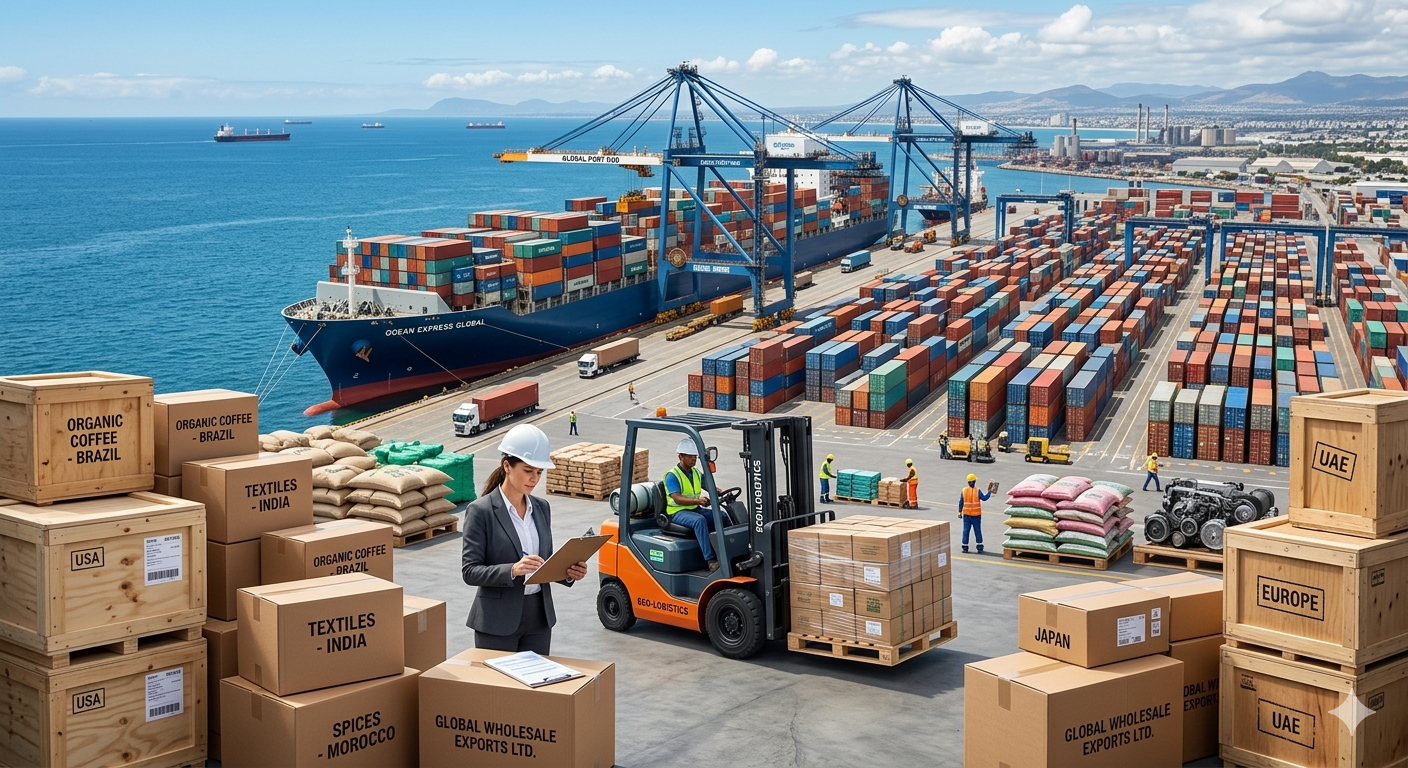
In the modern global economy, the import-export business has become a cornerstone of international trade. Companies across the world depend on efficient systems to move goods from one country to another. While product quality and pricing are essential, logistics is the backbone that ensures smooth and timely delivery of goods across borders.
Logistics in import-export business involves planning, implementing, and managing the movement and storage of goods from the point of origin to the final destination. Without efficient logistics, even the best products may fail to reach customers on time, leading to dissatisfaction and business losses.
Companies understand the critical importance of logistics in global trade. By focusing on reliable shipping, secure packaging, and efficient supply chain management, they ensure that products reach international buyers safely and on time.
In this blog, we will explore the role of logistics in the import-export business, its importance, key components, challenges, and future trends.
🌍 What is Logistics in Import Export Business?
Logistics refers to the process of planning, executing, and controlling the movement of goods from one location to another. In the context of import-export business, it includes transportation, warehousing, inventory management, packaging, and delivery.
Key Functions of Logistics:
- Transportation of goods
- Storage and warehousing
- Inventory management
- Packaging and labeling
- Customs clearance
Efficient logistics ensures that products are delivered in the right condition, at the right time, and at the right cost.
📦 Importance of Logistics in Import Export Business
1. Ensures Timely Delivery
Timely delivery is crucial in international trade. Delays can lead to financial losses and damage business relationships.
Impact:
- Customer satisfaction
- Repeat business
- Strong reputation
2. Maintains Product Quality
Proper handling and transportation ensure that products reach their destination without damage.
Benefits:
- Reduced product loss
- Better customer experience
- Increased trust
3. Reduces Operational Costs
Efficient logistics helps minimize transportation and storage costs.
Advantages:
- Cost-effective operations
- Improved profitability
- Better resource utilization
4. Supports Global Trade Expansion
Logistics enables businesses to expand into international markets by providing reliable delivery solutions.
5. Enhances Customer Satisfaction
Customers expect timely and safe delivery of products. Efficient logistics ensures a positive experience.
🚢 Key Components of Logistics in Import Export Business
📦 1. Transportation
Transportation is the most visible aspect of logistics. It involves moving goods via different modes such as:
- Sea freight
- Air freight
- Road transport
- Rail transport
Choosing the right mode depends on cost, time, and product type.
🏭 2. Warehousing
Warehousing involves storing goods before shipment or after arrival.
Benefits:
- Better inventory management
- Reduced delivery time
- Improved order fulfillment
📋 3. Inventory Management
Maintaining the right level of inventory is essential for smooth operations.
Key Points:
- Avoid overstocking
- Prevent stockouts
- Track product movement
📦 4. Packaging and Labeling
Proper packaging protects goods during transit and ensures compliance with international standards.
Key Factors:
- Durable materials
- Clear labeling
- Handling instructions
🛃 5. Customs Clearance
Customs clearance involves submitting documents and paying duties to allow goods to enter or leave a country.
Importance:
- Avoid delays
- Ensure compliance
- Smooth trade operations
🏭 Role of Export Companies
Export companies play a crucial role in managing logistics efficiently. Alpro Interbiz ensures:
- Reliable transportation
- Secure packaging
- Timely delivery
- Efficient customs handling
By managing logistics professionally, they help businesses focus on growth and expansion.
How Efficient Logistics Improves Business Performance
Faster Delivery Times
Quick delivery improves customer satisfaction and builds trust.
Reduced Costs
Optimized logistics reduces unnecessary expenses.
Better Market Reach
Businesses can expand into new markets with reliable logistics.
Challenges in Logistics for Import Export Business
1. Transportation Delays
Weather conditions, port congestion, and other factors can cause delays.
2. High Shipping Costs
Fluctuating fuel prices can impact transportation costs.
3. Complex Regulations
Different countries have different customs rules.
4. Risk of Damage or Loss
Improper handling can lead to product damage.
Working with experienced companies helps overcome these challenges effectively.
Best Practices for Effective Logistics Management
- Choose reliable logistics partners
- Use advanced tracking systems
- Optimize packaging
- Plan shipments in advance
- Stay updated with regulations
Future Trends in Logistics
💻 Digital Transformation
Technology is improving logistics efficiency through automation and tracking systems.
🌍 Global Supply Chain Integration
Businesses are creating interconnected supply chains for better efficiency.
🌿 Sustainable Logistics
Eco-friendly transportation methods are gaining popularity.
📦 Smart Warehousing
Automation and AI are improving warehouse management.
🤝 Why Choose Alpro Interbiz for Export Logistics
Choosing the right logistics partner is essential for success. Alpro Interbiz offers:
- Efficient global shipping
- Reliable delivery solutions
- Secure packaging
- Competitive pricing
- Strong logistics network
We ensure that your products reach international markets safely and on time.
Conclusion
Logistics plays a vital role in the success of the import-export business. It ensures timely delivery, maintains product quality, reduces costs, and enhances customer satisfaction.
Businesses that invest in efficient logistics systems can gain a competitive advantage and expand into global markets successfully. Partnering with trusted companies ensures smooth operations and long-term growth in international trade.